Search our site, Ask Witt about your tree, or Request Consultation
Common Tree Defects and Issues in Florida
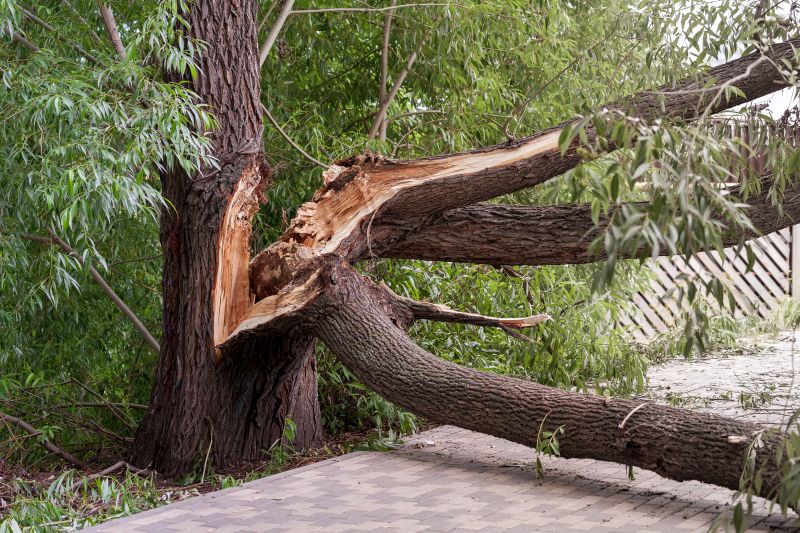
Structural Defects
Trees in Florida frequently develop structural issues due to poor pruning, rapid growth from rainfall, or natural form. Codominant stems, especially those with included bark, create weak unions that can split under pressure. Overextended limbs, cracks, and visible leans are high-risk indicators, particularly when located near structures or pedestrian zones.
These defects are often overlooked until a failure occurs. Trees with poor taper or imbalanced canopies are especially vulnerable during hurricanes and strong summer storms common across Central and South Florida.
Pests & Disease
Florida's warm, humid climate creates ideal conditions for invasive pests and aggressive pathogens. Notable threats include laurel wilt (impacting avocado and redbay), Ganoderma butt rot (fatal and untreatable), and Hypoxylon canker. These often cause internal decay long before visible symptoms appear.
Routine inspections are critical. Infestations like bark beetles and spiraling whitefly may weaken trees incrementally, increasing the likelihood of failure under stress. Decay pathogens especially target trees already compromised by drought, root disturbance, or wounds.
Environmental Stressors
Even healthy trees can become hazardous due to site conditions. Florida properties often experience poor drainage, compacted soil, or shallow rooting due to urban development. These environmental factors reduce anchoring strength, increasing blow-over risk in storms.
Other stressors include prolonged standing water, drought, or salt exposure in coastal regions. Trees planted too close to hardscape or exposed to repetitive root damage during construction may decline rapidly, even years later.
Improper Human Intervention
Incorrect tree care is a leading cause of preventable failure. Common issues include topping (which promotes weak regrowth), over-lifting (removal of structural limbs), and girdling roots from improper planting. These problems compromise natural structure and reduce a tree's ability to withstand wind or load stress.
Mulch piled against the trunk (volcano mulching) and improper planting depth also introduce decay and pest entry points. Many of these practices are done with good intentions but result in long-term liability and decline.
Palm-Specific Risks
Florida palms face a unique set of risks often overlooked in general tree assessments. Nutrient deficiencies, especially potassium and manganese, can lead to lethal decline. Sudden trunk failure or toppling is possible without much warning when deficiencies or rot are involved.
Ganoderma zonatum is a major concern for palms in residential areas. It causes irreversible internal decay that compromises structural integrity. Falling boots (dead frond bases) from tall palms also pose serious risk to people and vehicles below.