Tampa Certified Arborist Consulting
Tampa Independent Arborist Consulting
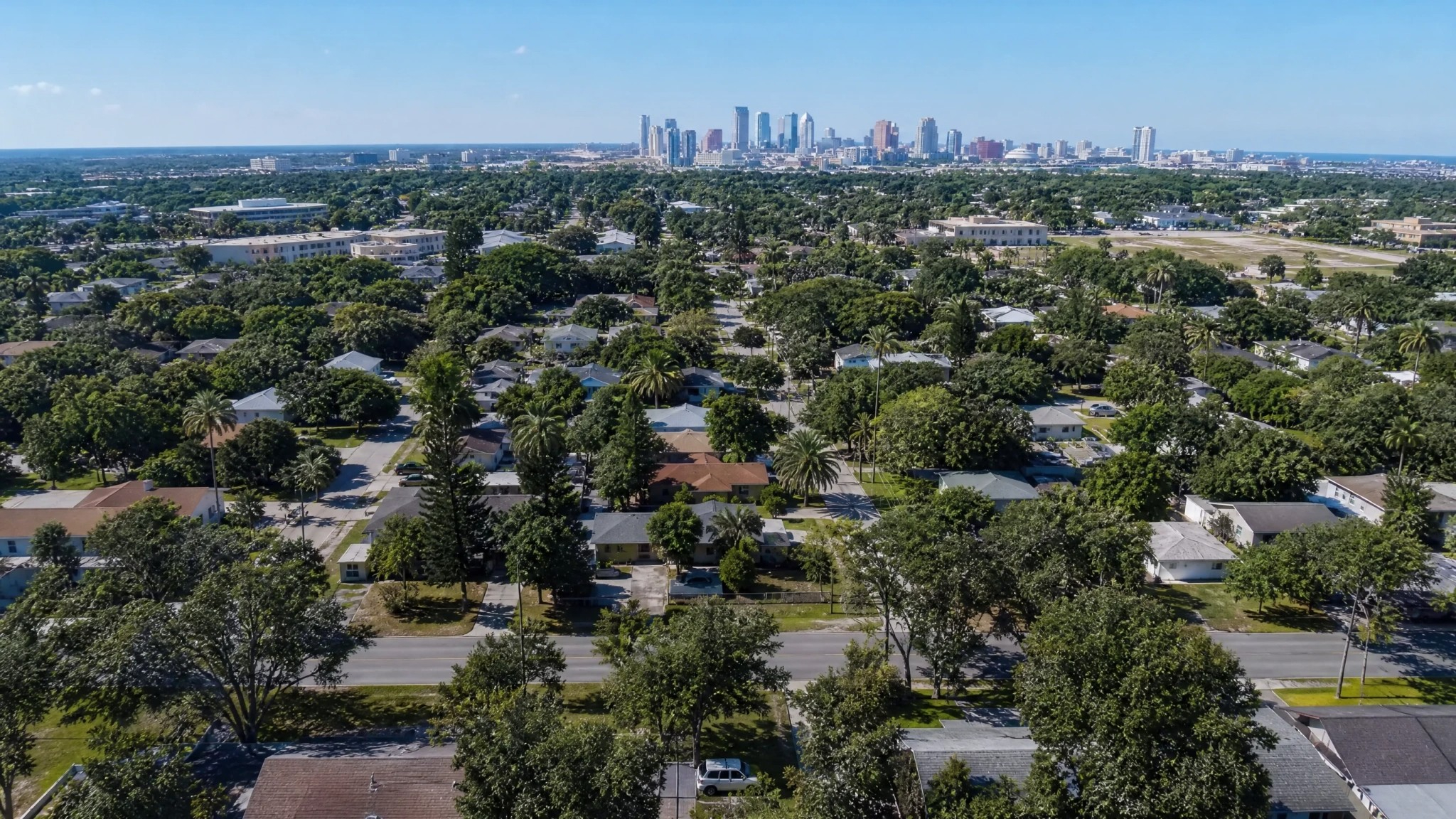
Tampa is one of Central Florida's largest urban centers, with tree canopy shaped by dense development, established historic neighborhoods, and ongoing infill construction across the city. Mature live oaks in older districts and newly planted trees on redeveloped lots each carry different structural and site considerations.
ArborManagers serves Tampa homeowners, commercial property owners, and developers with the same professional standards applied to every engagement. All tree assessments are guided by ISA best management practices and ANSI A300 standards, with written reports documenting the findings.
We also work regularly with property owners in Lutz, Carrollwood, and Temple Terrace, communities that share Tampa's mix of mature tree canopy and active residential and commercial development. Each area carries its own permitting considerations, and we help property owners understand which requirements apply before work begins.
Tampa's many HOAs and master-planned communities often layer their own landscaping and tree requirements on top of city and county rules. We provide independent assessments and documentation that HOA boards, property managers, and residents can rely on, and offer HOA and community tree consulting for associations throughout the Tampa area.
Request a Consultation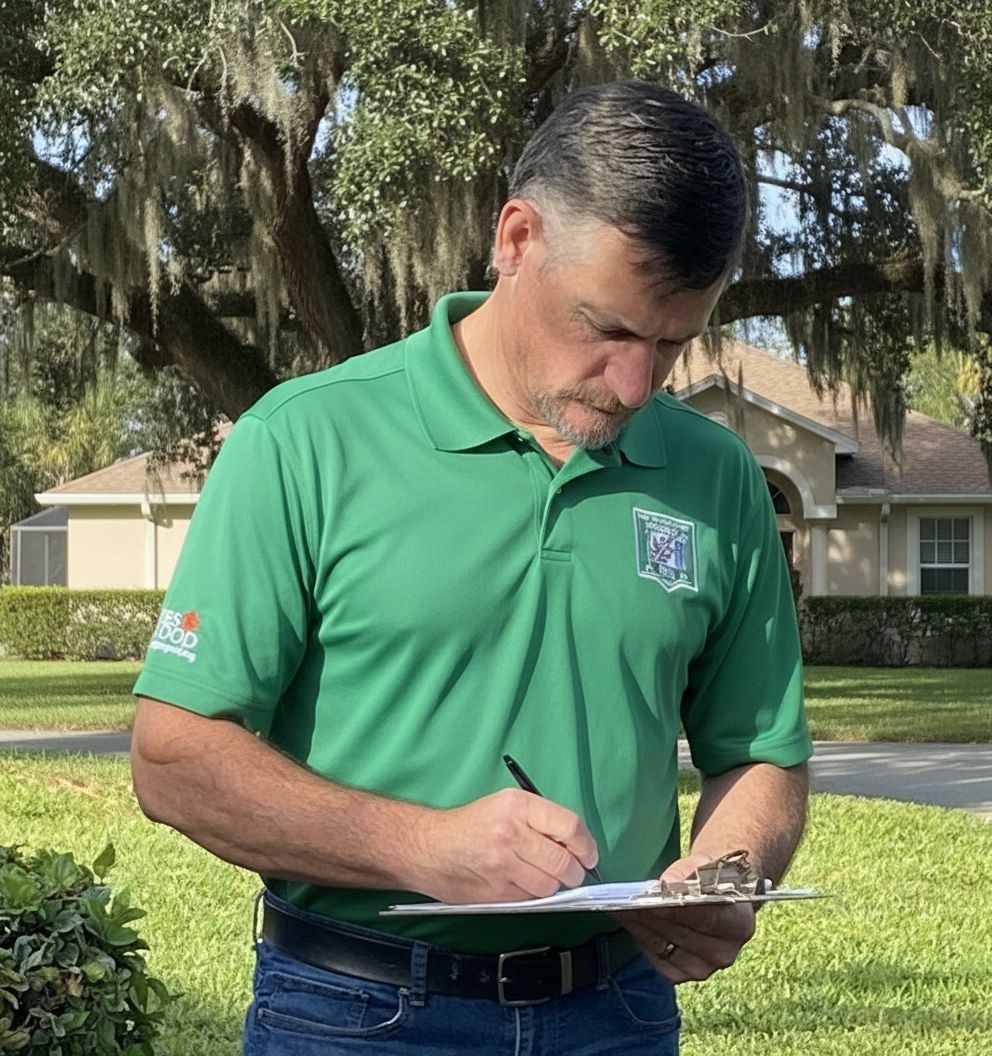
Arborist Services in Tampa
Serving Tampa homeowners, commercial property owners, and developers with independent, standards-based arborist services.
Tree Risk Assessments
Conducted in accordance with ISA best management practices, with written reports prepared to address applicable requirements identified for projects in the Tampa area.
Learn more
Arborist Reports & Documentation
Arborist reports, condition ratings, tree surveys, and permit support for Tampa property owners, HOAs, and developers.
Learn more
HOA & Community Consulting
Tree management plans, tree inspections, risk prioritization, and consulting for Tampa associations and communities.
Learn more
Tree Surveys & Inventories
Detailed tree population assessments for Tampa properties and development sites, including species identification and structural analysis.
Learn more
Construction Tree Consulting
Specialized consulting for development and construction projects in Tampa, focusing on tree preservation and compliance with local regulations.
Learn more
Insurance Claims Tree Assessments
Independent tree assessment and documentation for Tampa property owners following storm or impact damage.
Learn moreAlso Serving Communities Throughout Hillsborough County
In addition to Tampa, we regularly work with property owners throughout Hillsborough County, including Temple Terrace and Plant City.
When Arborist Evaluation Becomes Necessary in Tampa
Tree-related questions often arise when property changes are being considered or when existing trees may affect safety, planning, or permitting. Early evaluation helps clarify site constraints, identify potential concerns, and determine when professional documentation is appropriate.
Common situations include planning construction or renovations, evaluating trees near homes or occupied areas, preparing for permit submittals, reviewing trees during property purchase or due diligence, or determining whether trees are reasonable to retain as site conditions change.
Tree Permit Requirements in the City of Tampa
The City of Tampa and unincorporated Hillsborough County each maintain their own tree protection requirements, and which one applies depends on your property's specific location.
Within Tampa city limits, a permit is required to remove any protected tree, defined as a tree 5 inches or greater in diameter measured at 4.5 feet above ground, including oaks, pines, and elms. Pruning does not require a permit unless the tree is 24 inches DBH or greater. Permits are issued by the city's Construction Services Division under Section 27-284 of the Tampa city code.
Florida Statute 163.045 provides an alternative path for residential property owners whose trees pose an unacceptable risk, meaning removal is the only practical way to reduce the tree's risk below moderate using the assessment procedures the statute names, as documented by an ISA Certified Arborist. That documentation can eliminate the need for a standard city permit. ArborManagers provides that documentation for Tampa homeowners.
Removing a protected tree without a permit in Tampa is treated as an irreversible violation and can result in fines. Hillsborough County's Natural Resources Division applies a similar permitting framework for unincorporated areas, including Temple Terrace and Plant City, with additional mitigation or tree restoration fund contributions required for larger protected trees removed as part of development projects.
City of Tampa and Hillsborough County Resources
Common Tree Issues in the Tampa Area
Aging oaks in historic neighborhoods
Tampa's older neighborhoods contain mature live oaks and laurel oaks that have grown for decades along established streets. As these trees age, internal decay and structural failure risk increase, and a professional risk assessment is the most reliable way to understand a mature tree's condition before a problem develops.
Construction root damage from urban infill
Tampa's ongoing infill development and redevelopment regularly exposes trees on and near building lots to root damage from grading, trenching, and equipment traffic. Effects often take one to three years to become visible, making early assessment and protection planning important for retained trees near active construction.
Storm and hurricane exposure
Tampa's coastal position exposes it to tropical storm and hurricane activity, along with frequent summer lightning. Trees that survive a storm or strike may carry internal injuries not visible from outside. Post-storm assessments provide written documentation suitable for insurance submissions.
Sidewalk and infrastructure conflicts
Dense urban development means tree roots throughout Tampa frequently conflict with sidewalks, driveways, and utilities. Evaluating these conflicts alongside tree health and structure helps property owners and municipal reviewers make informed decisions about retention, root management, or removal.